
Options 101
Introducing You To The World of Options Without The Jargon

Learning Outcomes
Understand calls/puts at a conceptual level
Grasp the concept of premiums, strike, expiration
Know who wins/loses under different price scenarios
Options as Insurance
You buy protection or you sell it.
The 4 Core Positions
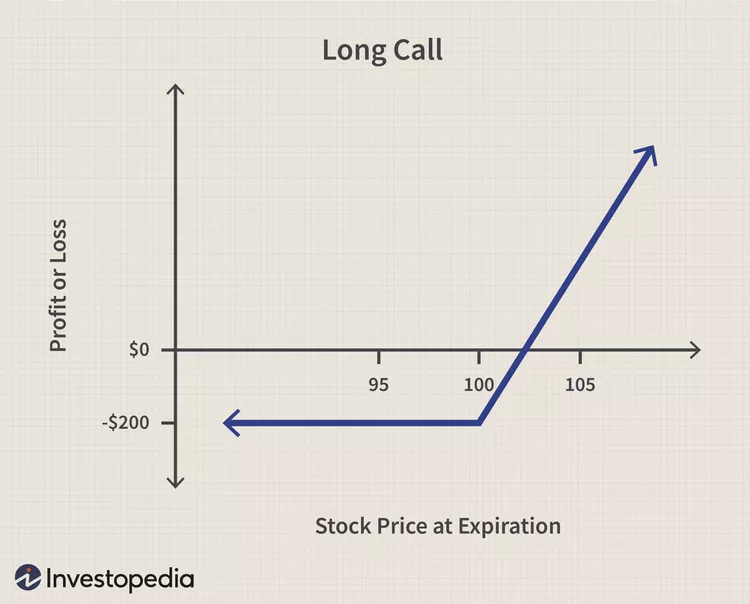
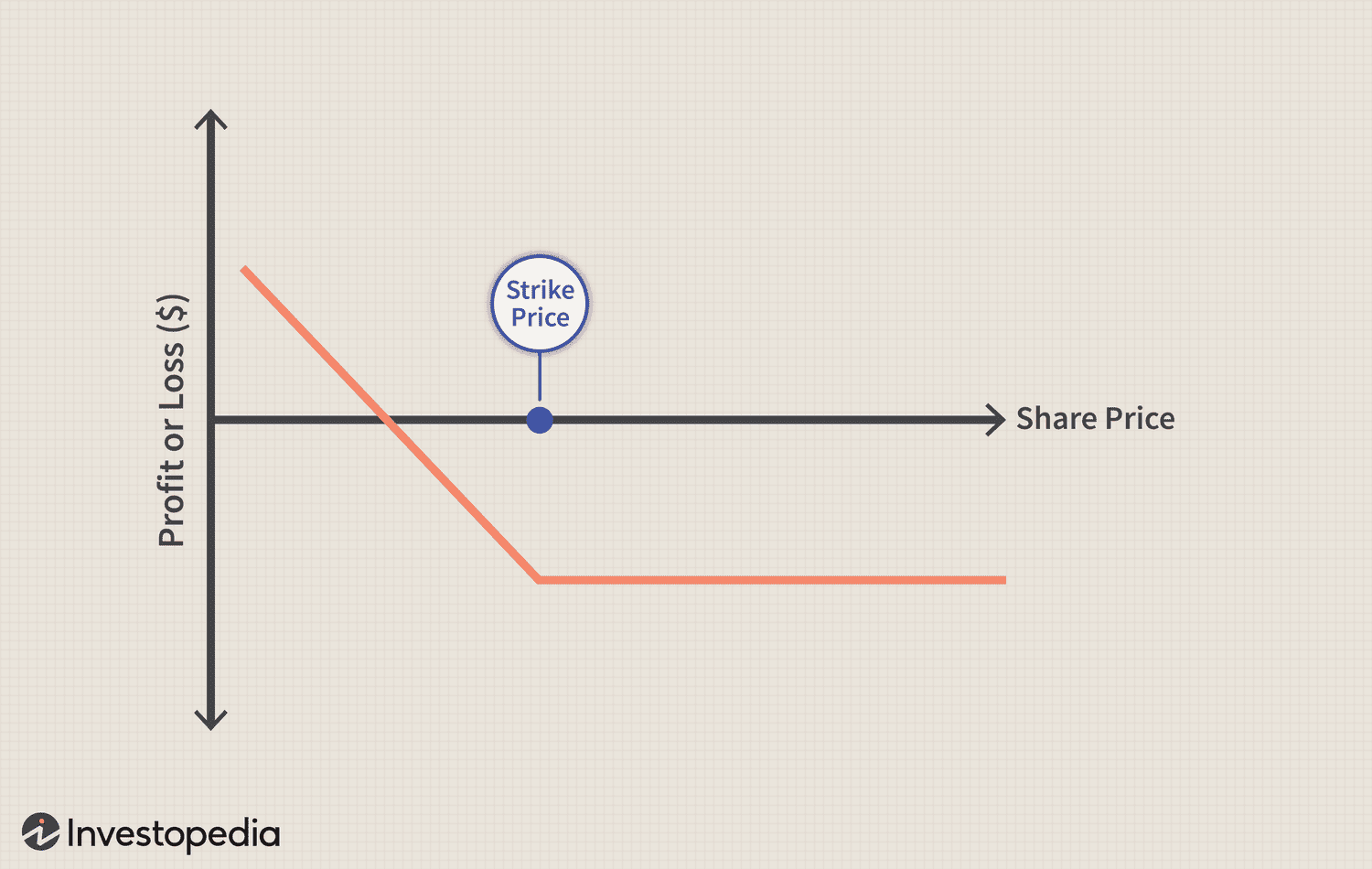
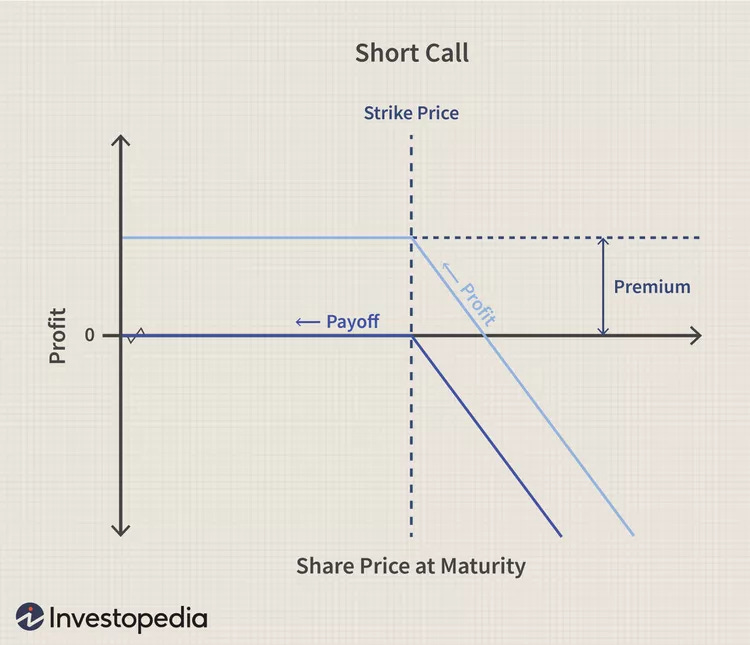
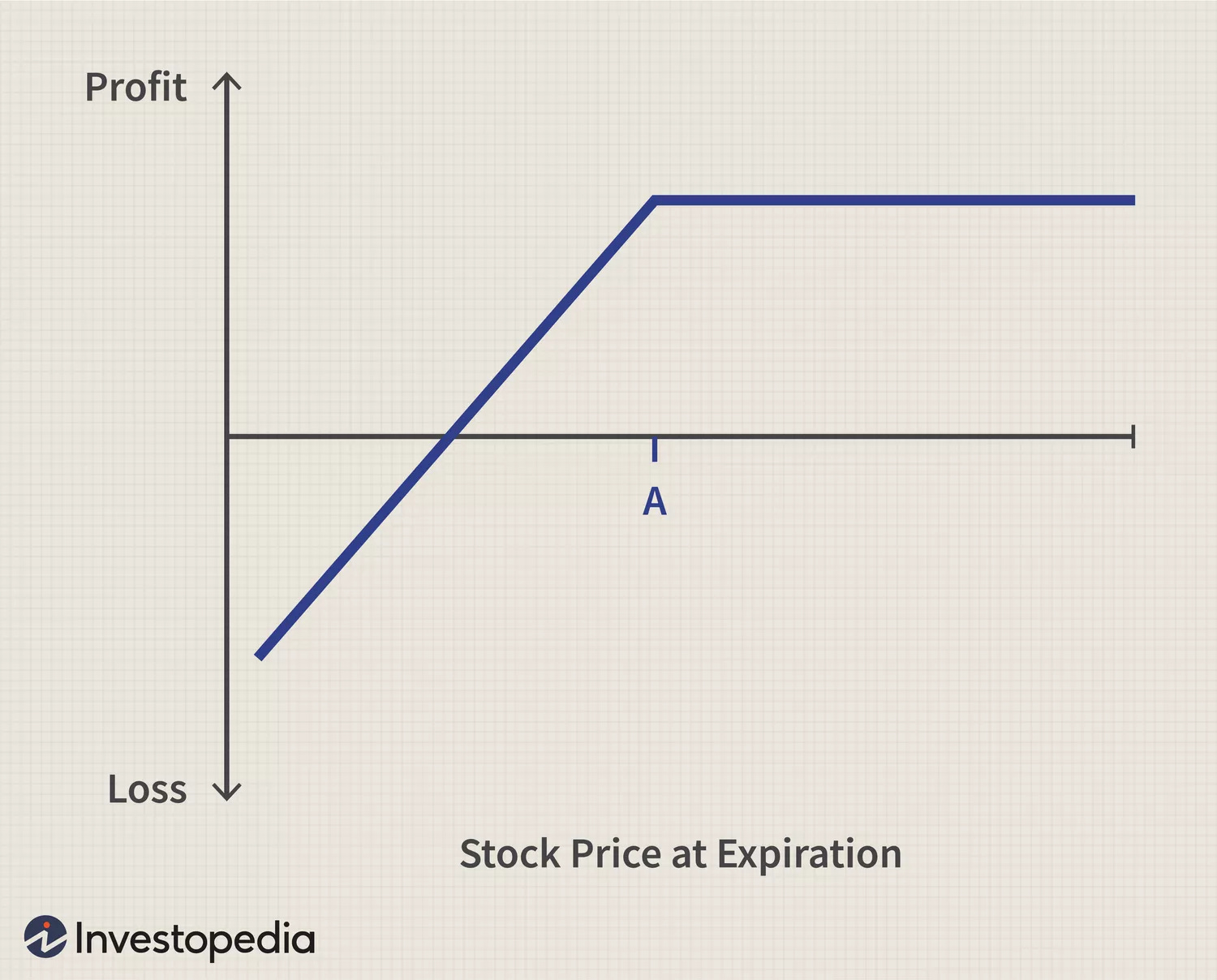
Long call, long put, short call, short put (click on each to refresh understanding on what each option position means, and the risk/payout profile. Source: Investopedia)
Long Call:
Long Put:
Short Call:
Short Put:
Why Options Exist
Hedging, speculation, income.
Options price the value of flexibility. They let businesses and investors hedge inputs or revenues, cap liabilities, or express upside with limited downside. In practice, they set floors under future receivables and caps over future costs, tailoring risk profiles without changing core operations.

A classic origin story is Thales of Miletus. Expecting a bumper olive harvest, he paid small premiums to secure the right to use local olive presses at set terms. When demand spiked, he exercised those rights and rented the presses out at higher prices, profiting from optionality rather than owning the presses outright. This mirrors a modern call option: right, not obligation, at an agreed price, benefiting when outcomes go your way.
Perhaps an analogy that is closer to home (cough), a property option to buy (call option) grants the right, not the obligation, to a buyer to purchase a specific home or building at an agreed price within a defined time window. You pay an option fee (premium) to lock terms while you assess due diligence or arrange financing. If the market or your plans improve, you exercise and complete the purchase; if not, you let the option expire and lose only the fee.
How it maps to options:
Price: the strike is the pre‑agreed purchase price.
Premium: the option fee compensates the seller for holding the property off the market.
Expiration: the option period (e.g., 60–180 days).
Optionality: you control upside (price rises or approvals come through) with limited downside (the fee).
Variants: options can include assignability (transfer to another buyer), extensions (extra premium), or contingencies (zoning/permits), all akin to contract terms affecting value.
Gym Membership Analogy
Pay to reserve access (strike)
Use it or not (optional)
Time Decay
Optionality rots/decays like fruit (or people) :)
“Because every day you wait, a little of that right to act disappears.”

More Analogies
Airbnb Booking: Pay to reserve. Show up or not — your choice.
A refundable booking is like owning a call on staying there at a known price for specific dates. You pay a premium (or accept a higher refundable rate) for flexibility. If market prices rise or availability tightens, you “exercise” by keeping the booking; if prices fall elsewhere, you cancel and sacrifice only the premium. The cancellation deadline maps to expiration, and the value of flexibility rises with volatility in lodging prices/availability. This example nicely captures premium, strike-like certainty, optionality, volatility, and expiration.
Concert Tickets: Value fluctuates based on demand.
A ticket’s value swings with demand (volatility) and collapses after the show (time decay to zero at expiration). If you bought early and demand spikes, you benefit (like being long exposure to upside). As the event approaches with weak demand, resale value drops—mirroring theta.
Great explantion! What if Thales prefered steady income?